— 6 state fisheries departments (Melaka, Selangor, Terengganu, Pahang, Johor, Pulau Pinang)
Contract value: RM1.4 million across 6 individual awards
Challenge | How we solved it |
|---|---|
Discrepancy in delivery location information. Delivery details from headquarters didn’t always match what end users on the ground confirmed, risking misdirected shipments. | Delivery location verification and coordination. We reconfirmed delivery details with both headquarters and end users before shipment, establishing a single final verified delivery list. |
Obsolescence or unavailability of specified equipment. Some originally specified models had become obsolete or unavailable by the time of procurement. | Alternative equipment proposal and early procurement planning. We checked availability early and proposed equivalent or upgraded models with comparable specs for client approval. |
Last-minute changes or additional delivery locations. Delivery site changes were occasionally communicated at the last minute, affecting logistics arrangements. | Flexible logistics planning and close client coordination. We continuously coordinated the delivery schedule with the client, incorporating changes without disrupting the overall timeline. |

This project followed our standard delivery process, with extra emphasis on pre-shipment location verification across all 6 departments:
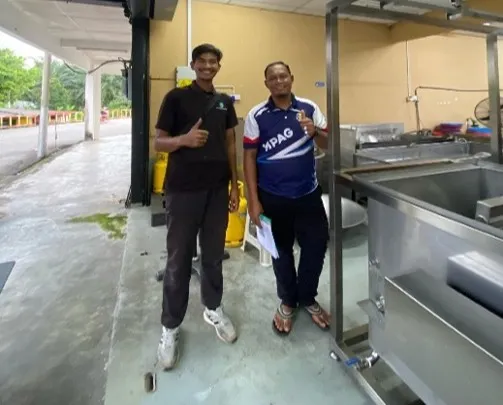
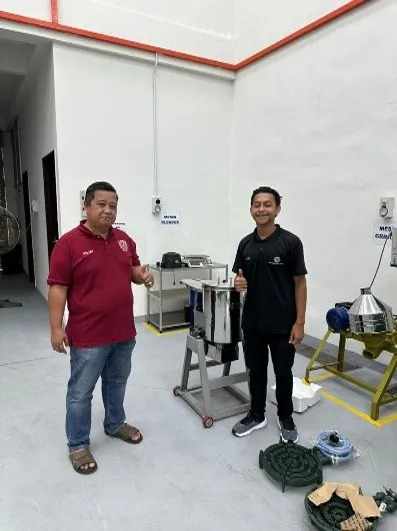
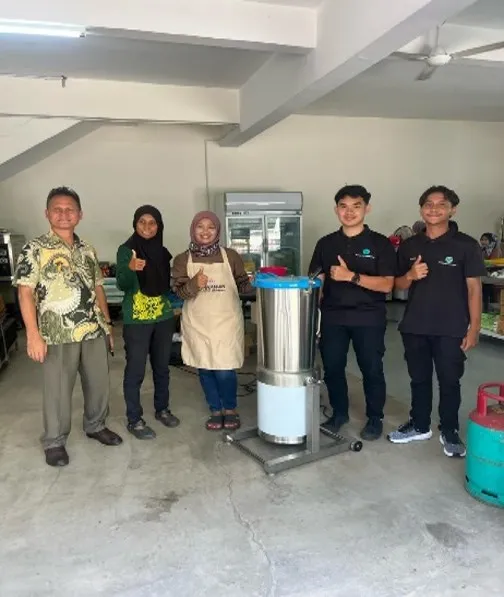
All equipment was delivered, installed and tested to specification across all 6 fisheries departments. The client formally accepted the completed delivery, and the project closed within the agreed timeline with full documentation.
Fisheries and cold-chain equipment including paddle wheels, nylon nets, freezers, deep fryers, a generator, and lifting equipment (chain and lever blocks), delivered to 6 state fisheries departments under the Ministry of Agriculture & Food Security. |
By reconfirming delivery details with both headquarters and end users before shipment, and maintaining a single verified delivery list rather than relying on one source alone.
Whether it’s a single school or a nationwide rollout, we’d be glad to walk you through how we’d approach it.